How do landscapes vary across space and time and what are the consequences of this variability for species and ecosystems? I study the relationships between climate, habitat, life history, and population dynamics of cold-water fishes across river networks. I conduct both basic and applied interdisciplinary research, integrating themes and approaches from landscape and population ecology, ecohydrology, and conservation biology. I work closely with stakeholders to co-produce science to guide conservation and management of cold-water fishes under accelerating global change.
Stream temperature, flow, and groundwater
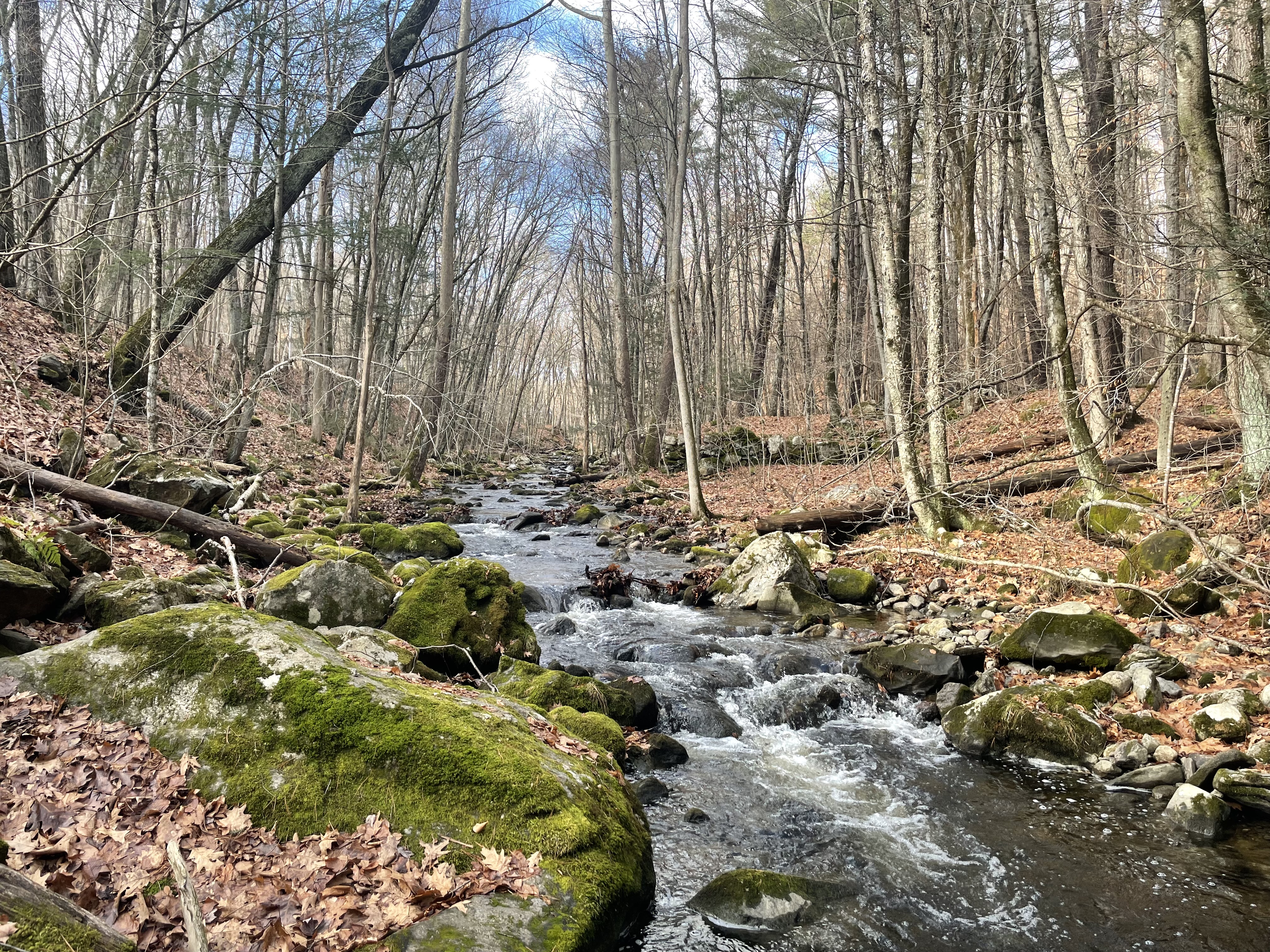
Stream temperature and flow regulate water quality and shape species vital rates and behavior. I use statistical models to understand the patterns and drivers of stream temperature and flow in the context of climate warming and drought. I leverage in-situ data collected from distributed monitoring networks to predict riverine conditions at broader spatial and temporal scales. My work includes developing novel techniques for estimating groundwater availability and exploring the use of these data for improving models of stream flow and temperature.
Relevant publications
Baldock JR, Al-Chokhachy R, & Walters A. 2025. Groundwater structures fish growth and production across a riverscape. Freshwater Biology 70:e70112. DOI: 10.1111/fwb.70112
Baldock JR, Fair JBH, Letcher BH, Al-Chokhachy R, Dunham JB, & Muhlfeld CC. Headwater streamflow variability is amplified by drought. In review at Science Advances.
Gauthier K, Baldock JR, & Walters A. Accounting for groundwater in daily spatial stream temperature models highlights climate refugia for native cold-water fish. Manuscript in preparation.
Organismal responses to habitat heterogeneity
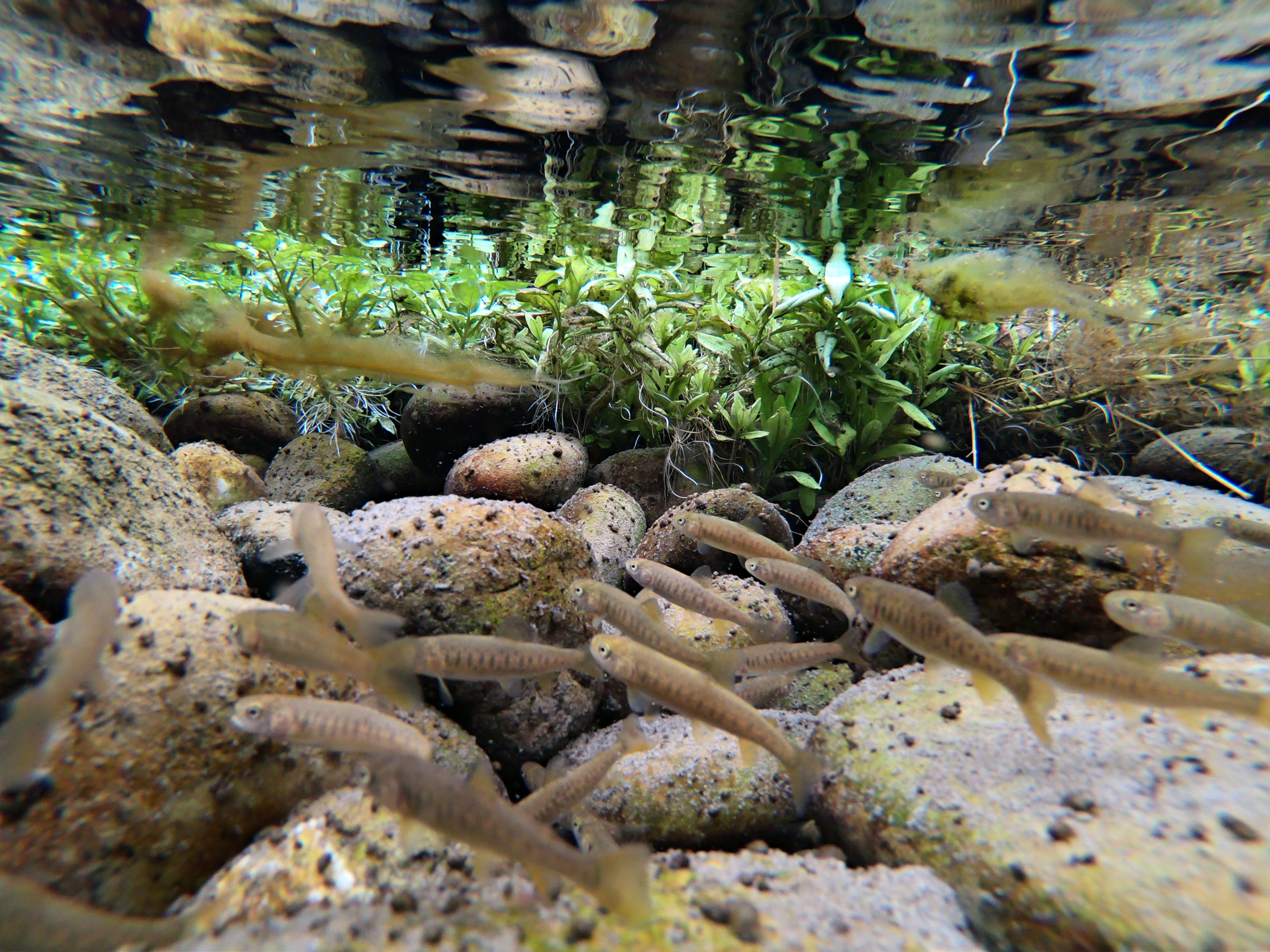
Spatiotemporal habitat heterogeneity can impact the ecology of aquatic organisms through a variety of pathways. My interests here generally fall into two categories: movement strategies and population dynamics. In connected habitat networks, my research shows how mobile species and life stages move at diel, seasonal, and interannual time scales to track shifting habitat mosaics at reach to watershed spatial scales. For less mobile life stages or in fragmented habitat networks, I am interested in how habitat heterogeneity drives spatial diversity in population vital rates, such as growth and recruitment.
Relevant publications
Baldock JR, Armstrong JB, Schindler DE, & Carter JL. 2016. Juvenile coho salmon track a seasonally shifting thermal mosaic across a river floodplain. Freshwater Biology 61(9):1454-1465. DOI: 10.1111/fwb.12784
Walsworth TE, Baldock JR, Schindler DE & Zimmerman CE. 2020. Interaction between watershed features and climate forcing affects habitat profitability for juvenile salmonids. Ecosphere 11(10): e03266. DOI: 10.1002/ecs2.3266
Baldock JR, Al-Chokhachy R, & Walters A. 2025. Groundwater structures fish growth and production across a riverscape. Freshwater Biology 70:e70112. DOI: 10.1111/fwb.70112
Adaptive water management to support ecosystems
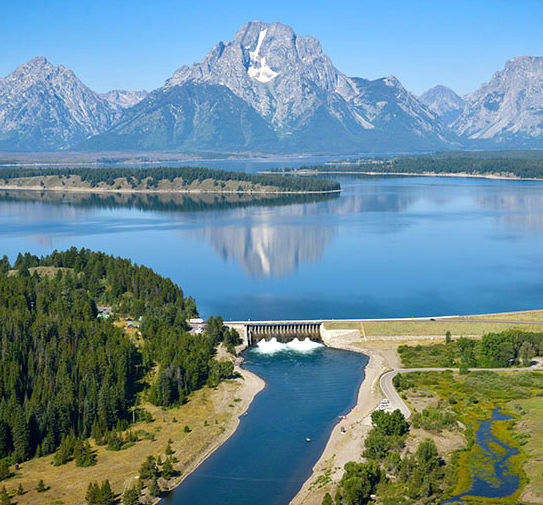 Photo credit: Bureau of Reclamation
Climate change and hydrologic alteration by dams are reshaping river ecosystems globally. Yet the combined effects of changing streamflow and temperature on population dynamics of ecologically and economically important species remain poorly understood. I apply population modelling techniques to long-term fisheries monitoring data to understand the drivers of population abundance across space and time. This work is done in collaboration with water and fisheries managers to help guide the development of adaptive environmental flow programs that are robust to changing climate conditions.
Relevant publications
Baldock JR, Al-Chokhachy R, Walsworth TE, & Walters. 2023. Redd superimposition mediates the accuracy, precision, and significance of redd counts for cutthroat trout. Canadian Journal of Aquatic and Fishery Sciences 80(5):825-839. DOI: 10.1139/cjfas-2022-0267
Baldock JR, Cline TJ, Fetzer WW, & Walters A. 2026. Strategic dam management can offset climate-driven declines in cold-water fish production. Journal of Applied Ecology 63(7):e70505. DOI: 10.1111/1365-2664.70505
Population and life-history diversity
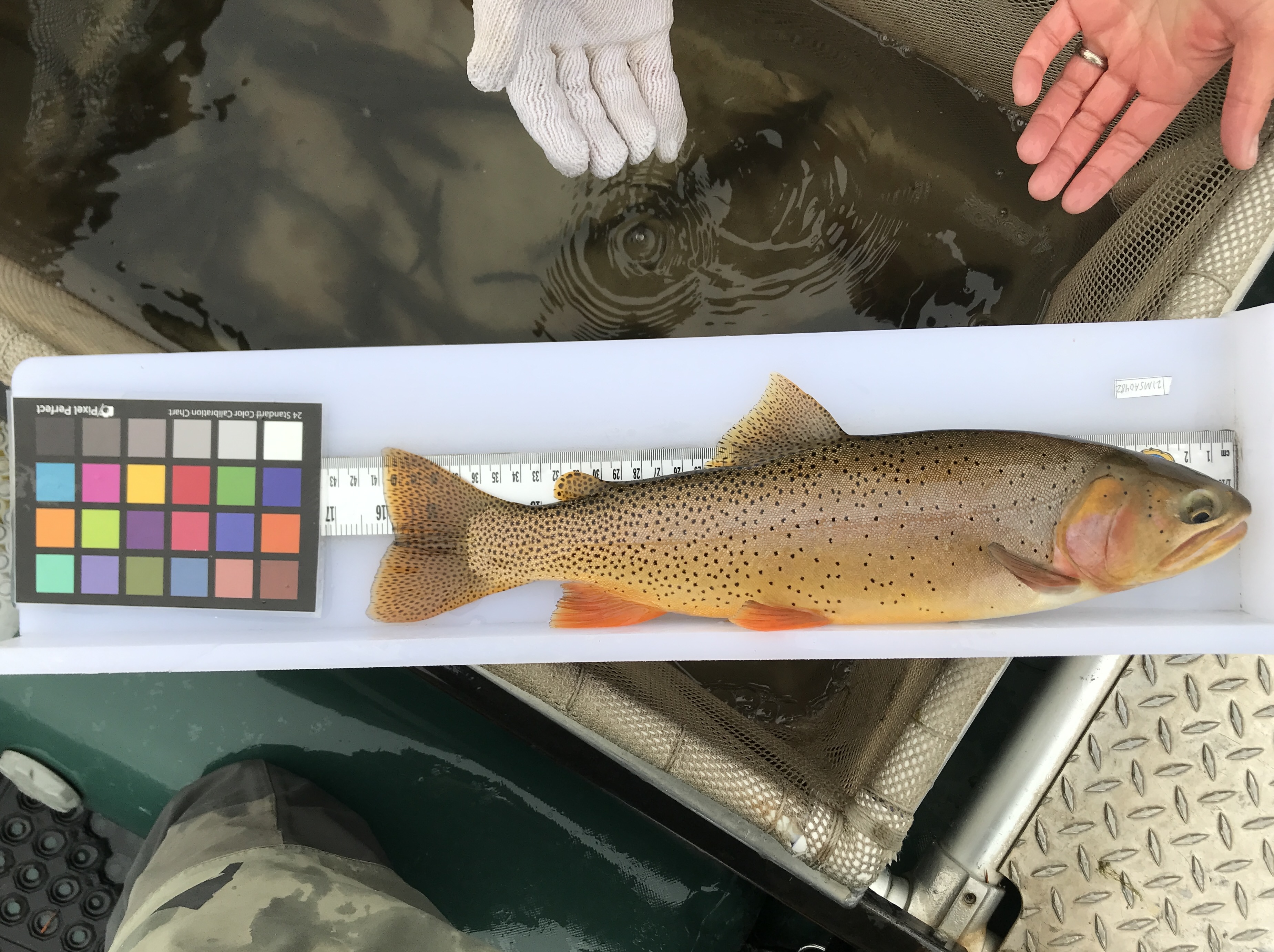
Population and life-history diversity confer resilience to environmental stochasticity, but the mechanisms underpinning this diversity are often not assessed. I use a variety of techniques (including genetic tools and behavioral observations) to understand the mechanisms that generate and maintain population and life-history diversity at multiple spatial scales and levels of organization. My interests range from fitness trade-offs associated with spawning behavior to spatial structure of river networks and variation in local habitat conditions.
Relevant publications
Baldock JR, Al-Chokhachy R, Campbell MR, & Walters A. 2023. Timing of reproduction underlies fitness trade-offs for a salmonid fish. Oikos e10184. DOI: 10.1111/oik.10184
Baldock JR, Rosenthal WC, Campbell MR, Wagner CE, Al-Chokhachy R, & Walters A. 2026. Riverscape heterogeneity shapes population diversity for a migratory fish. Ecological Applications 36(4):e70247. DOI: 10.1002/eap.70247